- Ways of banking More ways of banking links
Internet banking
Mobile banking
Telephone banking
Branches, ATMs and Post Offices
- Current accounts More current account links
Our current accounts
Choosing an account
- Credit cards More credit card links
Benefits of a credit card
Useful information
- Savings More savings links
- Loans More loan links
- Mortgages More mortgage links
New mortgage customers
Existing mortgage customers
Our mortgages
Tools and guides
- Insurance More insurance links
Current accounts
Our Yorkshire Bank current accounts section is getting a Virgin Money makeover
Get ready for a life more Virgin
Virgin Money teamed up with Yorkshire Bank back in October 2018. Since then, we’ve been working hard behind the scenes to bring the two banks together.
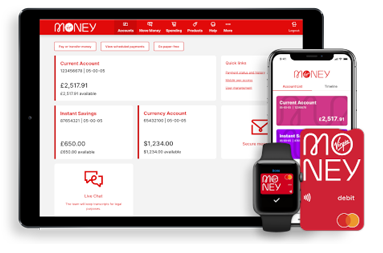
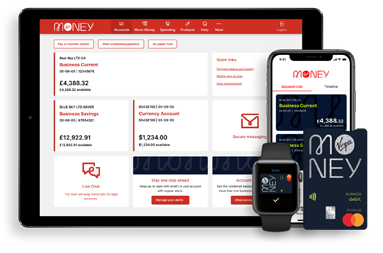
Our range of current accounts are now available under the Virgin Money brand, the perfect combination of expertise and Virgin innovation.
Existing customers
All our helpful information for existing current account customers can be found on Virgin Money.
Find out more about our helpful information for existing current account customers
Independent service quality
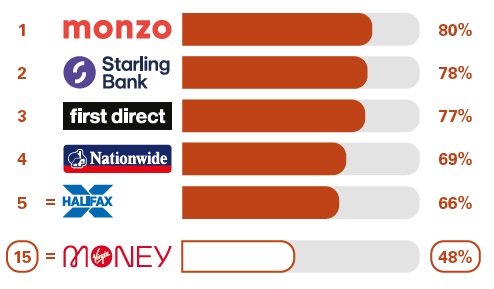
survey resultsPersonal Current Accounts - Published February 2024
As part of a regulatory requirement, an independent survey was conducted to ask approximately 1,000 customers of each of the 16 largest personal current account providers if they would recommend their provider to friends and family.
The results represent the view of customers who took part in the survey.
The full set of SQI results can be found here.
You can find impartial information and guidance on money matters on the “MoneyHelper” website.
Yorkshire Bank is covered by the Financial Services Compensation Scheme (FSCS), Find out more. - Current accounts More current account links